More than 1.2 million Rohingya refugees remain in overcrowded camps in Bangladesh, facing a triple crisis of shrinking aid, no safe path home, and a generation growing up with little hope for the future.
As the Rohingya displacement crisis enters its tenth year, the Rohingya risk being largely forgotten by the world. Islamic Relief is calling for a durable solution that improves immediate humanitarian needs, enables people to live in dignity, and creates conditions for a voluntary, safe, dignified and sustainable return.
Islamic Relief aid workers report the funding shortfalls are now so severe that only basic life-saving assistance can be maintained and malnutrition rates among children are rising.
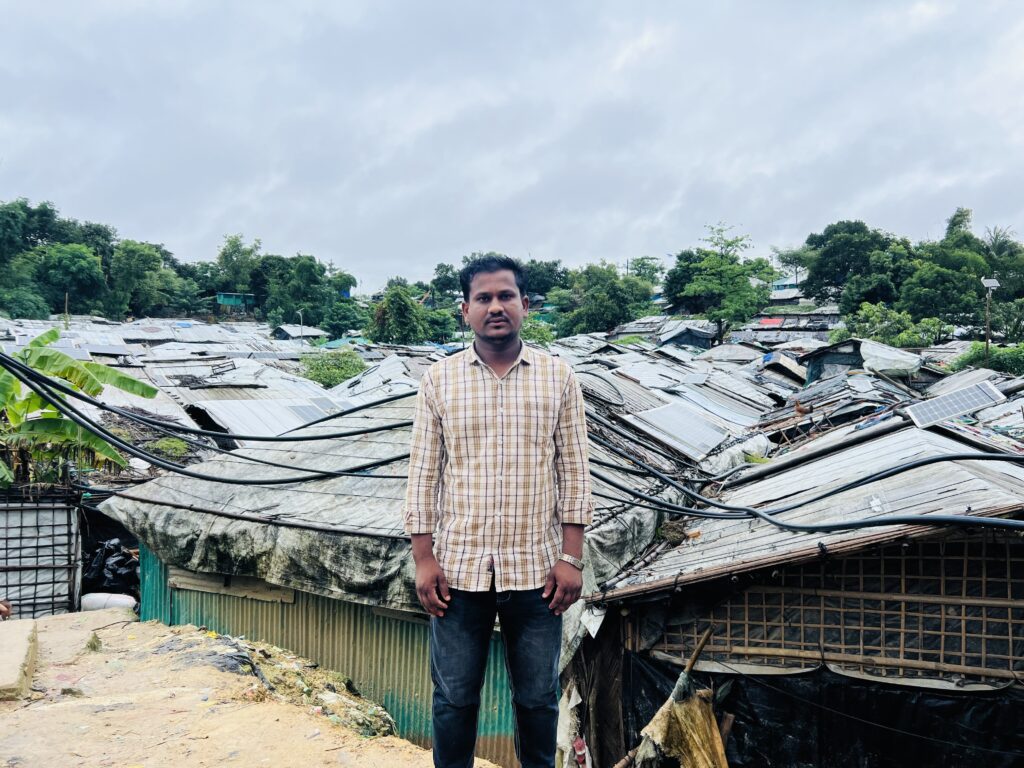
In Cox’s Bazar – the world’s largest refugee settlements – the recent deadly monsoon floods destroyed many shelters and over 50% of shelters now need repairs, but there is little funding to repair and rebuild. About 97% of people there still live in temporary shelters made of materials such as bamboo and plastic tarpaulin.
Ongoing attacks and protection risks in Myanmar continue to prevent people returning and force even more Rohingya to seek safety in Bangladesh. At least 154,000 more people have arrived in Bangladesh over the past two years, adding to the dangerous overcrowding in the camps.
More than half of the Rohingya in Bangladesh (52%) are children, many of whom have never been to Myanmar. But schools have had to shut down due to lack of funding, leaving a generation with dwindling hope for the future and vulnerable to exploitation. Crime in the camps is rising as people become increasingly desperate.
Hossain Shahid, Islamic Relief’s programme manager for Cox’s Bazaar, said:
“Many Rohingya in Bangladesh don’t have any hope right now. They are alive and that’s it. They fear for the future of their children. We are doing our best to support them with essential lifesaving services but funds are running critically low.
“This situation is not sustainable. Most Rohingya ultimately want to return home, but the situation in Myanmar does not allow for safe, voluntary, dignified and sustainable return. We need the international community to step up efforts to ensure their safety and rights in Myanmar, and in the meantime ensure funding to ensure people can live in dignity and hope here.”
Hashmotullah, 25, has lived in Cox’s Bazar since fleeing Myanmar as a teenager in 2017. He told Islamic Relief that the Rohingya do not need aid alone – they need justice, dignity, citizenship and safety in Myanmar: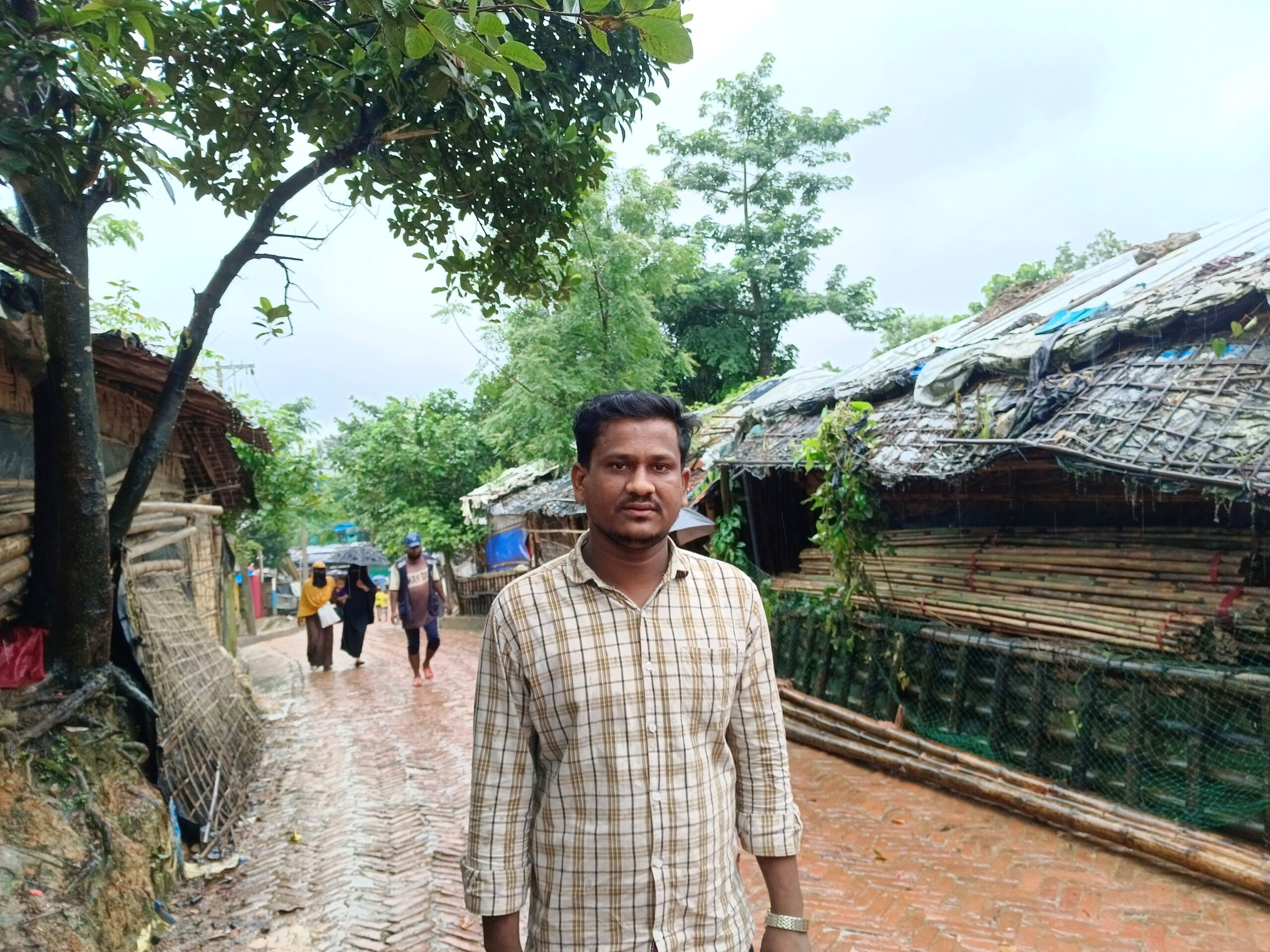
“We came here to seek safety and protection. Before leaving Myanmar, Rohingya people faced severe violence and persecution. Children were killed and women and girls faced sexual violence and abuse.
“Life in the camps is challenging. Eight of us live in a small shelter measuring only 15 feet by 10 feet and the limited space makes daily life very difficult. Over the years, overcrowding and limited resources have increased pressure on food, shelter, water, sanitation, education, and other essential services. Many families still face difficulties meeting their nutritional needs. Shelters are mostly temporary and can be affected by heavy rain and strong winds.
“I believe there is a risk of losing an entire generation if young people are not given proper education, skills development, protection, and hope for the future.
“We need a safe, voluntary, dignified, and sustainable return to Myanmar with our rights, citizenship, and security protected.”
Bangladesh has generously hosted the vast majority of Rohingya who have fled Myanmar since 2017, but international support has rapidly decreased over the past few years – affecting both the Rohingya population and local Bangladeshi host communities.
As repatriation is unlikely to be possible soon, it is vital to continue providing lifesaving assistance and also increase focus on providing education and skills for youth, to ensure a sustainable return when it happens.
Islamic Relief supports Rohingya communities and local host communities in Cox’s Bazaar and Bhasan Char. In 2026, Islamic Relief helped more than 150,000 Rohingya refugees by constructing new shelter, supporting schools, improving water and sanitation facilities, providing vouchers so people can buy food of their choice, and distributing liquefied petroleum gas (LPG) to reduce dependency on firewood that depletes the local environment and creates fire hazards.