Economic Empowerment and Governance
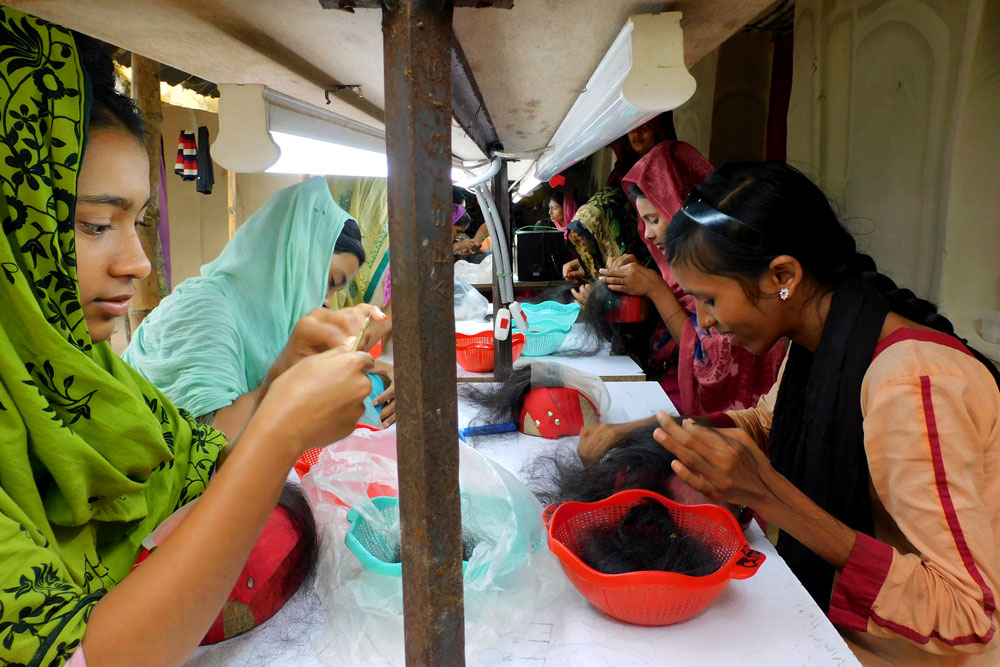
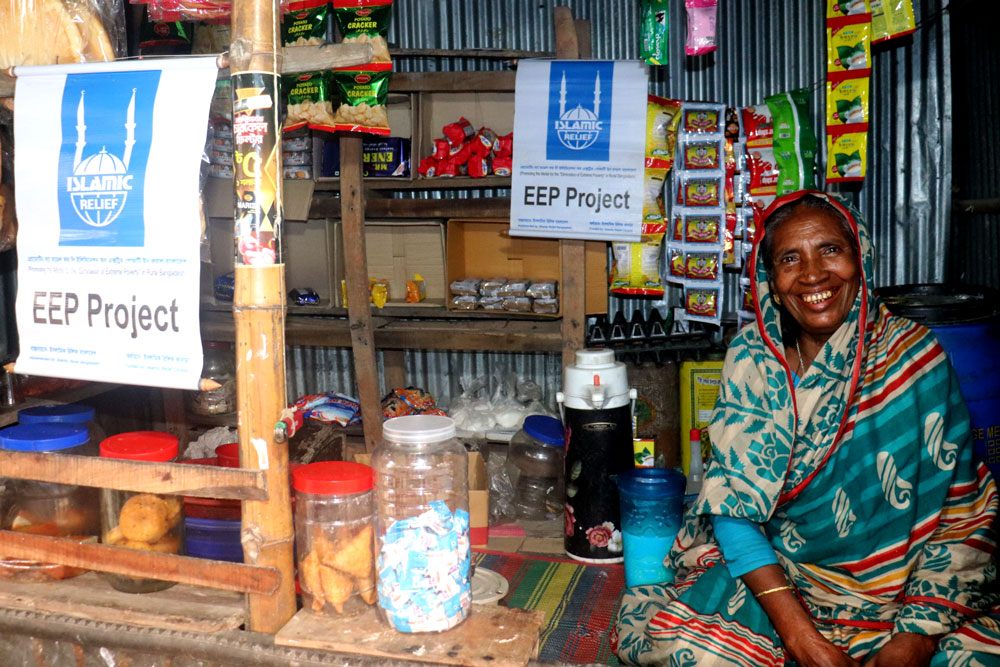
Since 1995, the Economic Empowerment and Governance Programme (EEGP) of Islamic Relief Bangladesh (IRB) has been working relentlessly to uplift extreme poor and marginalised communities across Bangladesh. With a vision to create a prosperous, inclusive, and sustainable future, the programme focuses on building poverty and hunger-free, gender-sensitive, empowered, and caring communities. Through an integrated approach, EEGP enhances sustainable income opportunities, strengthens socio-economic resilience, and improves the overall well-being of targeted families and communities across the country.
Over the years, the programme has supported 100,058 vulnerable and ultra-poor families (424,084 family members) and graduated from poverty; as a result, they have improved their sustainable livelihoods. The EEGP achieved to increase our rightsholders’ monthly average income in a significant manner (increased up to 486% from baseline income) under its 100% successful and effective project operations in Bangladesh and enhanced their socio-economic status and successfully implemented 44 impactful projects nationwide. With a 100% success rate in graduating families from poverty, EEGP contributes significantly to global development goals, aligning its work with the Sustainable Development Goals (SDGs 1, 2, 3, 5, 6, and 8) — focusing on poverty eradication, food security, good health, gender equality, access to clean water and sanitation, and decent work for all.
EEP Model: A Proven Pathway to Graduation from Poverty
We have developed the “Elimination of Extreme Poverty (EEP) Model”, a locally adapted and evidence-based approach to sustainable poverty alleviation. This model serves as a practical blueprint for both national and international organisations seeking to replicate our success in other regions across Bangladesh.
- Integrated Sustainable Livelihoods and Development: We promote holistic livelihood solutions by integrating economic, social, and environmental components to ensure long-term sustainability for marginalized families.
- Poverty Alleviation and Income Generation: Through tailored interventions like cash grants, skill development, and asset transfers, we empower rightsholders to generate income and break the cycle of intergenerational poverty.
- Improved Food Security & Nutrition: We focus on enhancing household-level food production, nutritional awareness, and access to balanced diets to combat hunger and undernutrition, particularly among children and women.
- Livelihood Cash Grant Support: Start-up capital and conditional/unconditional cash grants are provided to rightsholders to initiate or scale up their income-generating activities, supporting their journey toward financial independence.
- Skill and Capacity Building: We offer extensive training, mentorship, and technical support to develop vocational, entrepreneurial, and life skills among community members, particularly youth and women.
- Women Empowerment, Social Inclusion & Gender Equality: EEGP emphasizes inclusive development by empowering women and ensuring that marginalized groups — including persons with disabilities and ethnic minorities — are included in all initiatives.
- TVET for Youth & Employment Generation: Our Technical and Vocational Education and Training (TVET) initiatives equip young people with market-relevant skills, increasing their employability and integration into the workforce.
- Micro-entrepreneurship Development: We nurture local entrepreneurs by providing business development support, training, and access to finance, enabling them to run successful micro and small enterprises.
- Promoting Islamic Financial Services (IMF): EEGP promotes Shariah-compliant financial inclusion by introducing Islamic Microfinance models like Qard Hasan and Murabaha, enabling faith-based financial empowerment.
- Enhancing Community Resilience: We build community capacity to anticipate, absorb, and recover from shocks — such as economic hardship or natural disasters — through disaster preparedness and social safety net linkages.
- Strengthening Community-Based Organisations (CBOs): We establish and strengthen grassroots organizations to foster local leadership, collective decision-making, and sustainable community-driven development.
- Improving Health and Social Protection: We support access to basic healthcare, hygiene, and social safety services while advocating for the rights and entitlements of vulnerable populations, including access to government welfare schemes.